For Part 2 on Verticals, I’ll assume you’ve raised the money and are about to go into pre-production to shoot a vertical script. Here are a few thoughts, including storyboarding idea specific for the format. Additionally, there are some genres more suited for this format included as well below.
Top 5 Tips for Shooting Vertical Movies Like a Pro
Vertical movies are a fresh way to tell stories optimized for mobile viewing. With the rise of mobile video platforms like Instagram, TikTok, and Snapchat, vertical format is becoming a powerful medium for filmmakers. However, it requires a unique approach in framing, storyboarding, and lighting to fully harness its potential. Here are five key tips for shooting vertical movies that stand out.
1. Rethink Framing for a Vertical Format
The 9:16 aspect ratio of vertical video shifts the framing from a wide, horizontal layout to a taller, narrower frame, which transforms how the viewer experiences the story. With vertical framing, the focus is on depth rather than width. Close-ups and medium shots work especially well in vertical, as they emphasize the main subject and bring out fine details that are well-suited to mobile screens.
In a vertical format, backgrounds and settings are minimized, so consider focusing on a single character or object in each frame. For instance, in a conversation, a vertical frame naturally lends itself to capturing one person’s face closely, allowing you to emphasize subtle emotional cues like a raised eyebrow or a smirk. Use the top-to-bottom space to add dimension, such as showing the character’s face at eye level with interesting details in the foreground or background above or below them. This framing keeps the viewer’s eye moving vertically and maintains engagement.

2. Emphasize Close-ups and Tight Shots
Vertical video is ideal for creating intimacy, making it a strong choice for genres that rely on personal interactions or heightened emotion, like romance or horror. Close-ups capture expressions and finer details that draw the viewer in, making the experience feel almost immersive. For example, in a thriller, you might zoom in on a character’s trembling hands or anxious glances, which are more powerful in a vertical frame than they would be in a wide shot.
Medium shots also work well for dialogue scenes, as they focus on a character’s upper body and face, filling the frame. Since the sides are cropped, these close perspectives pull viewers into the scene by reducing visual distractions. When you shoot close-ups, it also allows for dynamic cuts between characters, switching from one person’s reaction to another’s, keeping the viewer’s attention fixed on the emotional core of the story.
3. Incorporate Storyboarding Techniques for Vertical Shots
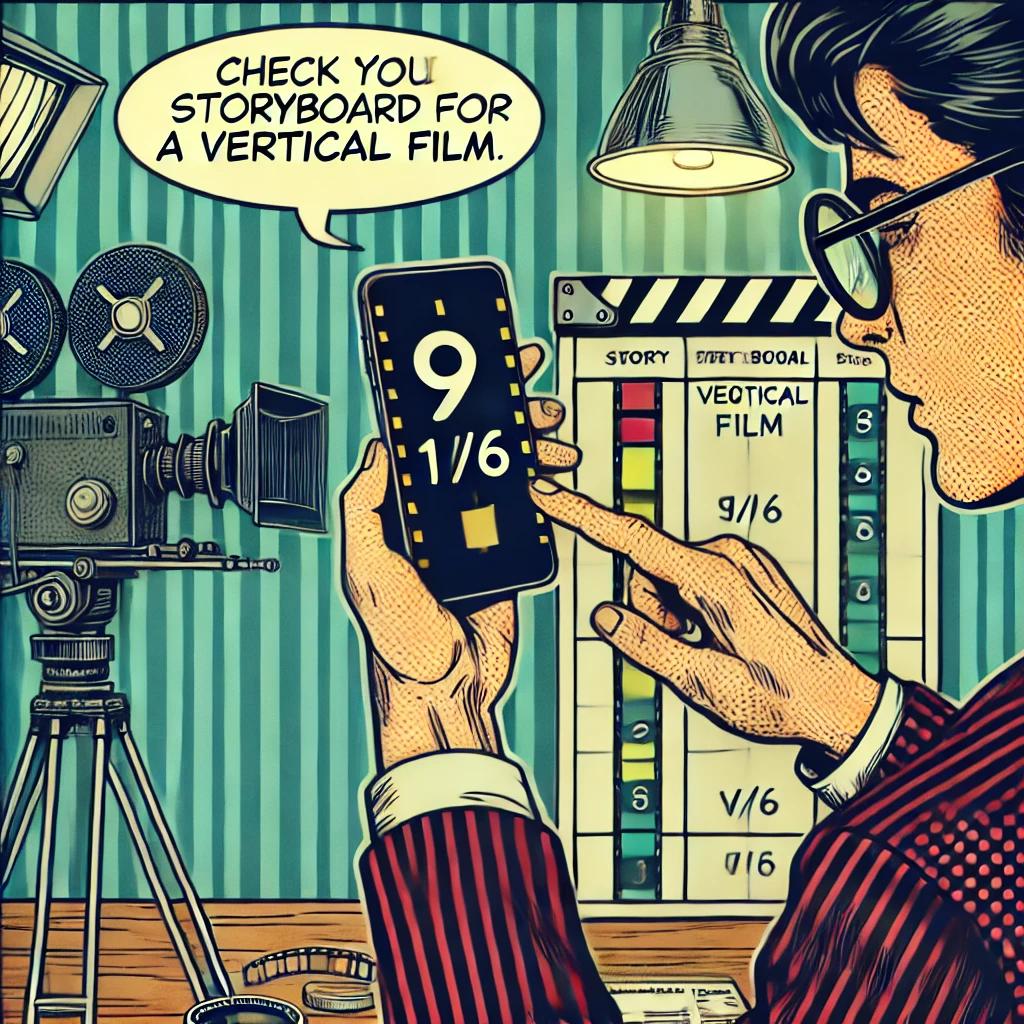
A traditional storyboard may not serve the vertical filmmaker as well as a vertically oriented one. Using vertical storyboards enables you to plan each frame with a clear vision of how it will appear on mobile screens. Plan shots that emphasize vertical movement—characters entering from the bottom and exiting at the top, or action that moves from the foreground to the background, guiding the viewer’s gaze up and down rather than side to side.
Storyboarding for vertical requires thoughtful planning of each shot to make the best use of the top and bottom areas of the screen, which might otherwise remain unused. Consider adding scene elements, such as props or lighting effects, that fill this space and add visual interest. If you’re filming an action scene, try capturing movement that flows up or down, like a character ascending stairs or a chase where the antagonist looms in the background. By focusing on the vertical plane, your shots become more cohesive and visually compelling.
4. Use Natural Depth and Levels in Composition
Because you’re working with a limited horizontal field, it’s crucial to create depth within the narrow frame. Use the foreground, middle ground, and background to add dimension to your shots. Positioning characters or objects at varying distances from the camera can make the scene feel larger than it actually is, enhancing the sense of space within a confined frame.
For instance, placing an object in the foreground, such as a tree branch, can give the viewer a sense of peering into the scene. This technique works especially well for genres like horror and drama, where an eerie shadow in the background or an object in the foreground can create a sense of mystery or foreboding. If you’re filming a two-person scene, try positioning one character slightly closer to the camera while the other stands further away; this creates a layered effect that adds visual depth and directs the viewer’s eye through the frame.
5. Optimize Lighting for Vertical Composition
Lighting for vertical movies requires a careful approach since the narrow frame captures light and shadows differently than a wide shot. The confined space amplifies shadows, highlights, and textures, which can enhance the mood if used intentionally. Vertical lighting setups, with light sources placed above or below the subject, work well in this format. Experiment with directional lighting to cast shadows that stretch vertically, adding texture and depth.
Soft, natural light often complements vertical framing, as it creates gentle highlights and shadows that reveal facial expressions and textures effectively without overwhelming the frame. For dramatic scenes, consider using lighting to enhance the mood by placing lights at unique angles, such as under the subject’s face for a horror effect or behind them to create a silhouette. When shooting with artificial lights, try using diffusers or softboxes to soften the light, which helps maintain focus on the subject without harsh shadows.
Additional Tips: Genre-Specific Approaches to Vertical Filmmaking
Certain genres naturally align with vertical video’s unique capabilities. Here are a few ways to adapt your vertical shooting style to different types of content:
- Romance: Romantic films benefit from the close, intimate nature of vertical framing. Focus on small, meaningful details like glances, subtle smiles, or gentle touches that fill the frame and emphasize emotional nuances. Vertical close-ups work well for these moments, drawing viewers into the connection between characters.
- Horror: Horror thrives in vertical because of the confined, almost claustrophobic space it creates. Use shadows and depth strategically to build suspense, positioning characters in the background or hiding elements in the upper and lower portions of the frame. The limited view heightens anticipation, as the audience can’t see what might be lurking just out of sight.
- Mockumentary: This style often features individual characters speaking directly to the camera in close-up, making it perfect for vertical. The format’s intimate framing allows viewers to feel as though they’re part of the conversation, ideal for comedies or character-driven stories. Mockumentaries can also play with perspective, keeping the camera tight on a single character while allowing others to react from the background.
- Thriller: Vertical is ideal for thrillers that rely on suspense. Use the narrow frame to focus on small details, like a hand gripping a weapon or a door slowly opening from the bottom of the frame. By capturing only part of the action, you can intensify the mystery and keep viewers guessing.
Vertical movies are a creative opportunity for filmmakers to craft stories that are uniquely suited for the mobile screen. By adjusting your framing, lighting, and storyboarding techniques, you can produce vertical films that are as cinematic and engaging as traditional widescreen productions. These techniques can transform a challenging format into an exciting new way to connect with audiences.
p.s: 100% full disclosure…AI can’t write dialogue for shit, but it does a mighty fine job of bullet-point outlining on blog posts. Thanks, Luna! 🙂